Packaging That Talks Without Words: How Material, Finish and Texture Shape Product Perception
October 3, 2026
Someone picks up a product off a shelf, and their brain has already made a judgment before they’ve read a single word on it. That judgment came from their hand, not their eyes.
Most brands pour their budget into logos, colors, and copy, and treat the physical material as an afterthought. Research keeps showing that’s backwards. The role of material in packaging design isn’t decoration around the message. For a lot of products, it is the message, delivered before anyone reads anything at all.
Touch Talks Louder Than Design
Vision and touch dominate how people appraise a product, and touch carries a disproportionate share of the emotional weight in that judgment.
Studies on tactile packaging have found that physical texture and finish can increase perceived value by up to 70% compared to a visually identical product in standard packaging. That’s not a rounding error. That’s the material itself doing more persuasive work than the design printed on top of it.
What Different Finishes Actually Say
Every finish sends a distinct, largely subconscious signal, whether a brand intends it to or not.
- Glossy surfaces: read as clean, fresh, and lightweight, often boosting purchase intention, though not always willingness to pay more
- Soft-touch matte finishes: signal luxury and sophistication, the texture people associate with premium positioning
- Embossing and debossing: raised or recessed detail that communicates craftsmanship, often used deliberately on logos and key brand marks
- Textured stock consumers consistently rate textured packaging as noticeably more premium than smooth packaging carrying the identical product
None of these are neutral choices. Each one is quietly telling the customer something about quality before the product itself gets a chance to.
Why Mismatch Breaks the Illusion
Here’s the part that trips brands up after they’ve picked a beautiful finish: the material has to match what the product actually promises.
Texture and visual design that contradict each other measurably reduce satisfaction and perceived quality, even when each element looks fine in isolation. A luxury-positioned product wrapped in a thin, flimsy material undercuts its own pricing before anyone opens it. The material isn’t separate from the brand promise. It either backs it up or quietly contradicts it.
Gazelle Label
Getting this right depends on a manufacturer that treats material and finish as functional decisions, not an afterthought bolted onto the design file.
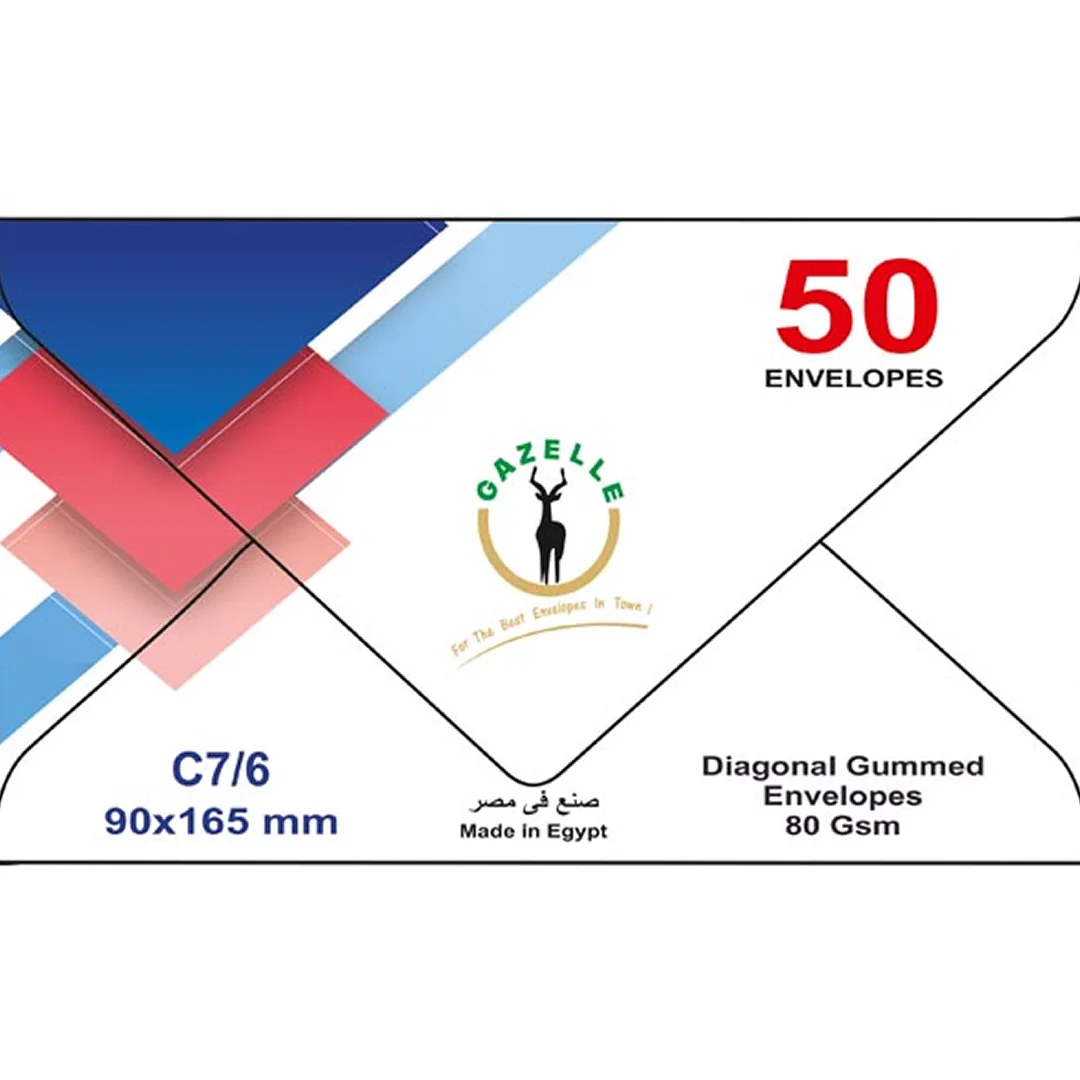
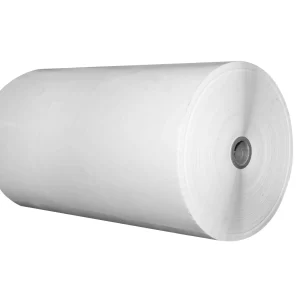
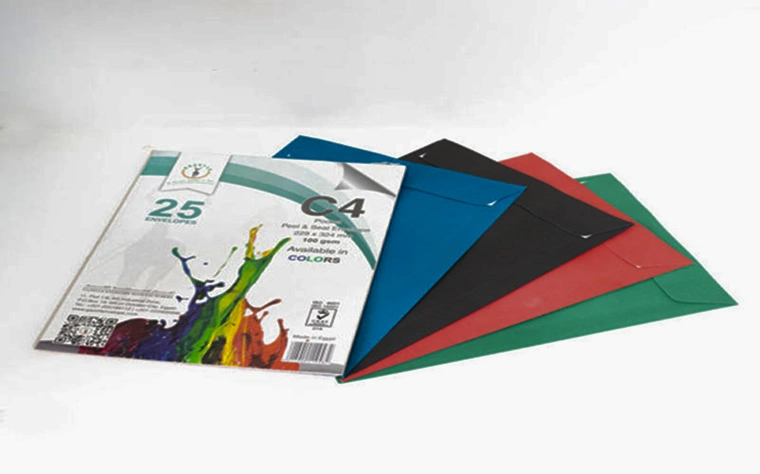
Gazelle Label produces across envelopes, glassine, and label stock in multiple weights, finishes, and textures, giving brands a genuine range to match the perception they’re actually trying to create, not a single generic stock applied to every product regardless of positioning. For brand owners thinking seriously about the role of material in packaging design, having that range available from one manufacturer means the physical feel of a package can be chosen deliberately, the same way color and typography already are.
FAQ’s
1.Does packaging material really affect how customers perceive a product?
Yes. Studies show tactile packaging elements can increase perceived value by up to 70% compared to identical products in standard packaging.
2.Is glossy or matte finish better for premium positioning?
Both can work, but they signal differently. Glossy suggests freshness and cleanliness, while soft-touch matte more strongly signals luxury and sophistication.
3.What does embossing actually do for a brand?
It adds physical dimension consumers associate with craftsmanship, often used deliberately on logos or key visual elements.
4.Can the wrong material finish hurt a premium product?
Yes. Mismatched texture and visual design reduce perceived quality, even if the individual elements look appealing separately.
5.Where can brands source packaging materials suited to their positioning?
Gazelle Label offers envelopes, glassine, and label materials across multiple finishes suited to different brand and product positioning needs.
Conclusion
A product gets judged the moment it’s picked up, long before the label gets read.
Material and texture were never the quiet supporting cast behind the design. For a lot of customers, they’re the first thing that actually speaks.
That’s the whole argument for choosing them on purpose.